
Scope you can explainProducts, requirements and conditions are identified in controlled certification documents.

CSi’s flagship product certification scheme
Confidence in your product.
Value in your certification.
Independent assessment that puts evidence behind your product claims—and helps you choose a certification scope that fits your market.
A decision backed by evidenceTechnical evaluation and impartial certification decision-making support every granted scope.
Confidence that continuesSurveillance and review of product or manufacturing changes extend assurance beyond day one.
 Independent product certification
The PAS-Mark advantage
Put your certification budget to work.
The right certification is the one that addresses your product, your customers and the requirements of your intended market.
PAS-Mark provides independent certification against applicable product standards, technical specifications and approved certification requirements. It gives manufacturers and suppliers documented evidence of product conformity, supported by evaluation of manufacturing controls and ongoing surveillance.
Start with the outcome you need. CSi can explain whether PAS-Mark is a suitable pathway and define the assessment needed before you commit to a certification programme.
Make existing evidence count
Relevant accredited test reports can be reviewed for use in the assessment. Where they meet the requirements, this can avoid unnecessary repeat testing. Additional testing is required where evidence is incomplete, outdated or not representative.
A scope matched to your product
The certification programme considers product complexity, risk and applicable requirements. Understand the evaluation, manufacturing assessment and ongoing obligations relevant to your product—not just the price of a certificate.
Plan beyond the first certificate
Understand surveillance, product changes and recertification from the outset. These ongoing activities are part of the certification investment and help maintain confidence as your product range develops.
Compare the whole certification investment.
Consider initial assessment, testing, manufacturing audits, surveillance, changes to your product range and the evidence your customers need. Ask CSi for a proposal for your product and intended markets. Costs and suitability depend on the scope and evidence available.
Accredited certification. Visible confidence.
What PAS-Mark means for your business.
Stand behind your product with certification your customers can check.
CSi is a JASANZ-accredited product certification body. PAS-Mark certification within CSi’s accredited scope combines independent product assessment, impartial certification decisions and ongoing surveillance.
For manufacturers, that means a documented basis for presenting product conformity to specifiers, purchasers and approval authorities—not simply asking them to rely on a marketing claim.
Check the JASANZ public registerLook for PAS-Mark licence-holder and certification records. Read the record together with the current certificate and Product Compliance Schedule. Opens in a new tab.
Independent oversight of the certifier
JASANZ accreditation provides independent assessment of CSi’s competence and impartiality for the certification activities within its accredited scope. CSi certifies the product; JASANZ accredits the certification body.
Visibility beyond your own website
The JASANZ public register provides a place for customers to search for accredited certification records outside a manufacturer’s or certification body’s own website. Make verification part of your product information and tender submissions.
Product-specific evidence, maintained over time
The certificate and schedule identify the certified products, requirements and limitations. Surveillance and review of changes support continued conformity, giving customers more than a record of the initial assessment.
Choose the level of assurance your market needs
Inspection checks an item. Product certification looks beyond a single check.
Inspection is the examination of a defined product, installation, process or activity to determine whether it meets specified requirements at the time and within the scope of that inspection. An accredited inspection body can provide competent, impartial and valuable compliance evidence—but its report applies to what was inspected and does not automatically establish that later production will remain the same.
Accredited product certification provides a broader framework for continuing confidence. Under a defined certification scheme, the certification body evaluates the applicable technical evidence and manufacturing controls, conducts an independent review and certification decision, defines the certified product scope, and maintains certification through surveillance and review of relevant changes.
For a manufacturer seeking more than evidence about one sample, batch or inspection event, PAS-Mark provides the higher level of ongoing assurance associated with accredited product certification. It connects the assessed product with its production controls and continuing certification obligations.
When comparing options for windows or other building products, ask: What products and requirements are covered? Is the provider accredited for the activity? Does the assessment address ongoing production? How are product and manufacturing changes controlled? Where can customers verify the certification?
The PAS-Mark proposition: accredited product certification, a clearly defined scope, independent decision-making, ongoing surveillance and a public verification pathway—so customers can understand what stands behind your product.
Testing and inspection remain important parts of conformity assessment and may form evidence within a certification programme. The appropriate pathway depends on the applicable legislation, project requirements, intended use and level of continuing assurance required. Always read the current Certificate of Conformance and associated Product Compliance Schedule(s), including their scope, conditions and limitations.
Australia and New Zealand
How PAS-Mark supports building compliance.
PAS-Mark turns product assessment into controlled certification evidence. Its role is different in each country, so manufacturers, designers and approval authorities must read the certified scope against the requirements and intended use of the particular project.
Australia
A recognised NCC evidence pathway
The National Construction Code recognises several forms of evidence of suitability. One is a current certificate issued by a product certification body accredited by JASANZ.
A current PAS-Mark certificate issued within CSi’s accredited scope can be used through this pathway when the certificate and Product Compliance Schedule identify the product, the relevant requirements, its properties or performance, and the conditions applying to its use.
The evidence must still be relevant to the particular building work. The designer, appropriate authority and other responsible parties must confirm that the certified scope addresses the applicable NCC provisions and intended use. PAS-Mark does not replace mandatory WaterMark certification where WaterMark is required.
Read ABCB guidance on NCC evidence of suitability Official guidance · opens in a new tabNew Zealand
Independent evidence for a Building Code case
New Zealand’s Building Code is performance based. Where work follows an Acceptable Solution or Verification Method, PAS-Mark can help substantiate that the specified product meets the product standard or technical requirements relied upon.
For an alternative solution, the PAS-Mark certificate, Product Compliance Schedule and supporting technical evidence can form part of the evidence presented to the building consent authority. The submission must clearly connect the certified product and its intended use to every relevant Building Code clause, including New Zealand-specific conditions and any design or installation limitations.
PAS-Mark is not a New Zealand CodeMark certificate and therefore does not require automatic acceptance. The building consent authority decides whether the complete evidence provides reasonable grounds that the proposed building work will comply. Early discussion with the designer and authority can clarify what further project evidence is needed.
Read MBIE guidance on ways to comply Official guidance · opens in a new tabScope matters. Always read the current Certificate of Conformance with its Product Compliance Schedule(s), conditions and limitations. Product certification is not approval of an entire building, every installation or every possible use.
A pathway shaped around your product
Can’t see your product or industry?
Talk to CSi before assuming that certification is unavailable.
CSi accepts enquiries for certification across a broad range of non-electrical products and recognised product standards. Our capability is not limited to the sectors shown on this website.
During application review, CSi confirms the applicable certification requirements, accredited scope, testing and evaluation needs, and the technical competence required for the proposed product.
Where additional industry expertise is required, CSi may engage suitably qualified auditors and technical experts through its professional network. All personnel are evaluated, authorised and monitored under CSi’s certification management system. CSi retains responsibility for the certification process and every certification decision.
Certification availability is confirmed following application review and does not arise merely from submitting an enquiry.
Discuss your product with CSiHow it works
Clear requirements.
Independent decisions.
From the first enquiry to ongoing certification, the focus is on evidence, manufacturing consistency and a clearly defined scope.
Define your requirements
Tell us about your product, intended markets, manufacturing locations and available evidence. We review eligibility and explain the proposed scope, evaluation activities and fees.
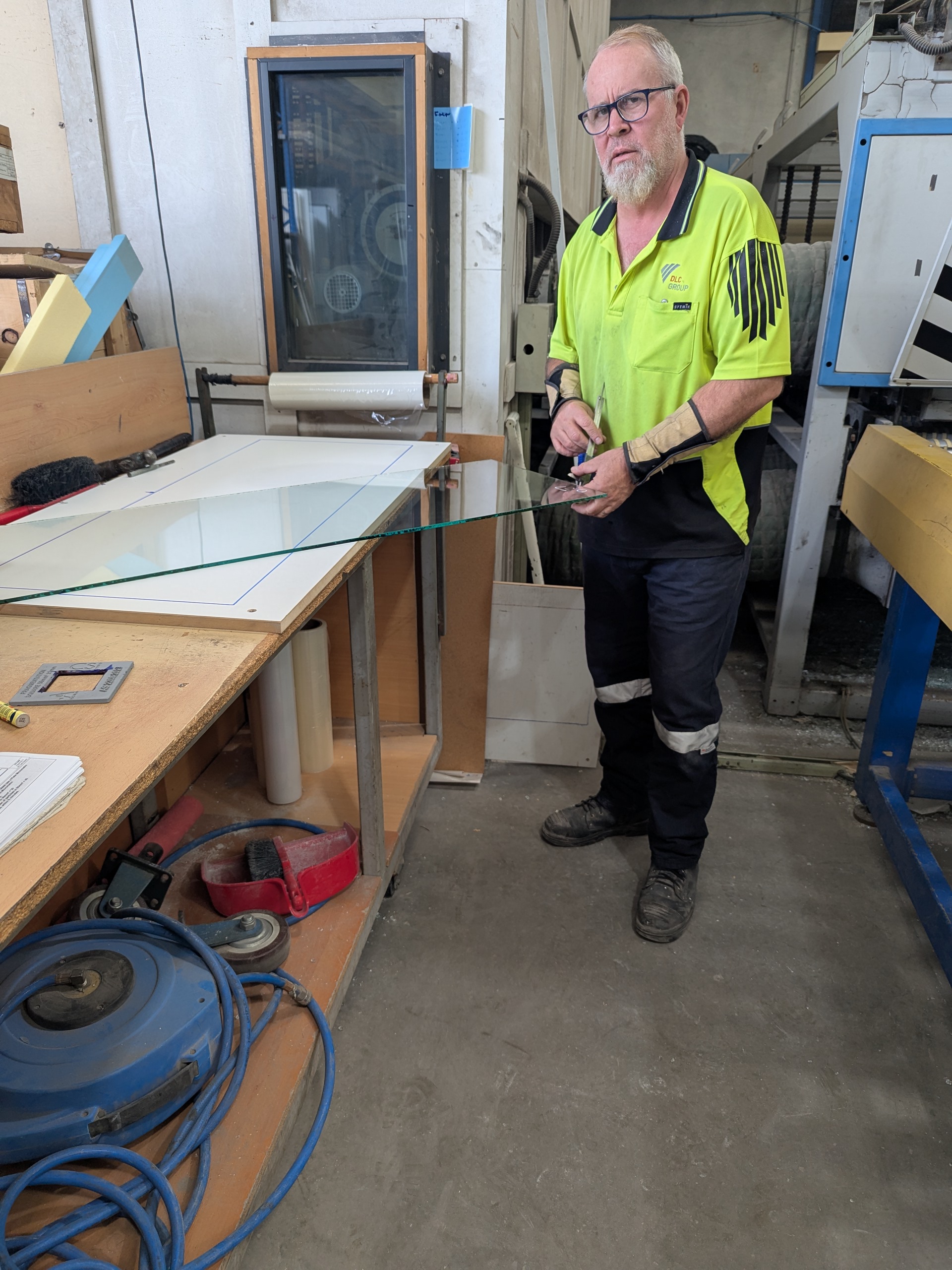
Evaluate the evidence
We review technical information and relevant test reports, identify any further testing needed and assess manufacturing controls in accordance with the certification programme.
Independent review and decision
The completed evidence and any corrective actions undergo technical review before an independent, impartial certification decision. An application does not guarantee certification.
Make your certification work for you
Following a positive decision, CSi issues the Certificate of Conformance and associated Product Compliance Schedule(s). These identify what is certified, against which requirements, and under what conditions.
Maintain confidence over time
Surveillance, review of changes and recertification support continued conformity. Tell CSi about changes to products or manufacturing that may affect certification.
Getting started
Bring your product.
Let’s clarify the pathway.
Manufacturers, brand owners, importers and suppliers can enquire. Applicants must have sufficient authority and control over the product and its manufacture to meet the scheme’s ongoing requirements.
To help us review your enquiry, gather the information available for your product:
- Product descriptions, models and intended uses
- Target markets and relevant standards or specifications
- Existing test reports, drawings and technical information
- Manufacturing locations and quality-control arrangements
- Previous certification information, if applicable
Your next step
Find out what PAS-Mark could do for your product.
Discuss the evidence, scope and certification investment with CSi.