
Quality · Environment · Health & safety · Information security

Show how your business works.
Not just what it promises.

Independent management system certification brings evidence to the conversation—how you manage responsibilities, control risks and improve performance.

Four standards. Distinct priorities.

Start with what matters
to your organisation.

Choose the management system that addresses your needs—or discuss a coordinated approach across more than one standard.

ISO 9001:2026

Quality management
PAS-Mark Management System Conformance logo
Team reviewing plans and business information around a tableIllustrative photograph

Make quality a way of working.

Independent assessment of your organisation’s quality management system against ISO 9001:2026, focusing on process control, customer satisfaction and continual improvement.

  • Clarify responsibilities and control key processes
  • Use customer feedback and performance information
  • Address recurring problems and improve how work is done

ISO 9001:2026 certification does not certify individual products or demonstrate their conformity with product standards.

About ISO 9001:2026 — ISO (opens in a new tab)Explore ISO 9001:2026

ISO 14001:2026

Environmental management

PAS-Mark Environmental Management System Conformance logo
Two people reviewing information beside solar panelsIllustrative photograph · Gustavo Fring / Pexels (opens in a new tab)

Put evidence behind your environmental commitment.

Move beyond a policy statement. Certification against ISO 14001:2026 assesses how your environmental management system identifies impacts, addresses compliance obligations and drives improvement.

  • Understand significant environmental aspects
  • Set objectives and manage operational controls
  • Monitor environmental performance and act on findings

Certification is of the management system. It is not an eco-label, a carbon-neutral claim or a guarantee of legal compliance.

About ISO 14001:2026 — ISO (opens in a new tab)Explore ISO 14001:2026

ISO 45001:2018

Occupational health & safety

PAS-Mark OH and S Management System Conformance logo
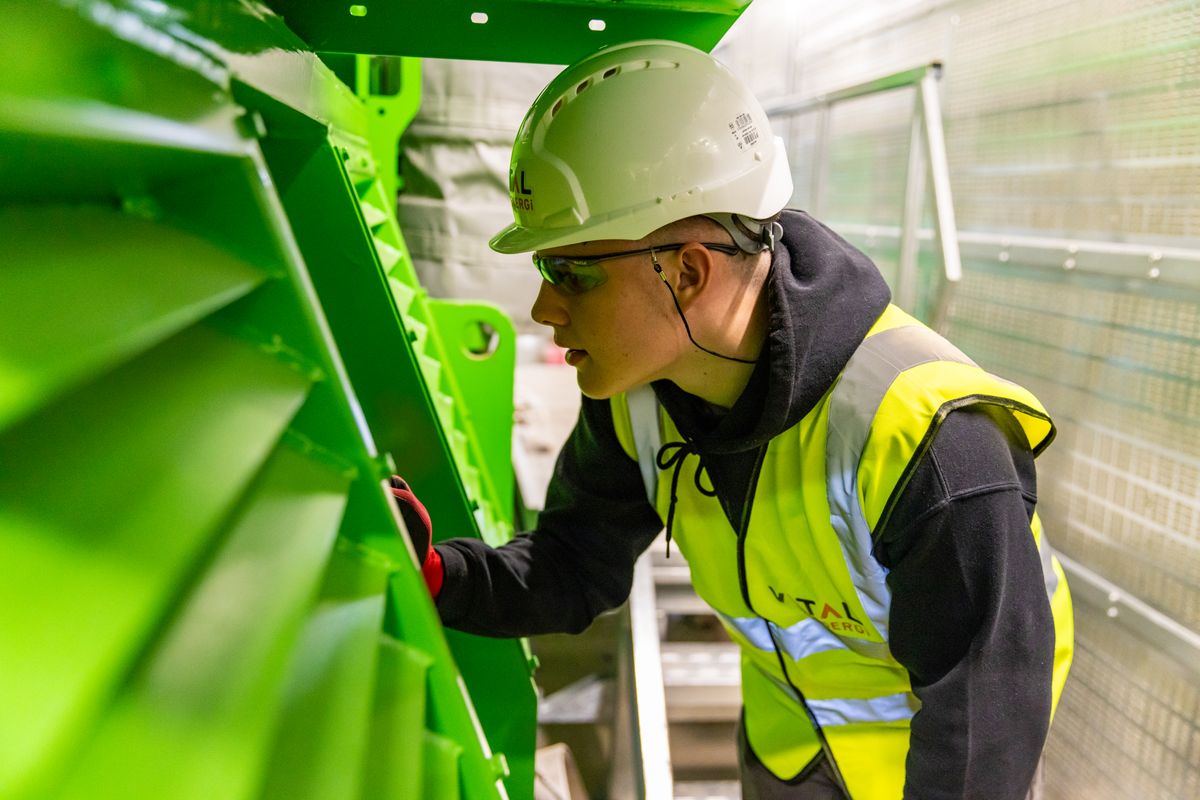
Engineer wearing protective equipment in a factoryIllustrative photograph · ThisIsEngineering / Pexels (opens in a new tab)

Your people deserve more than a safety policy.

Put your approach to workplace health and safety under independent assessment. ISO 45001:2018 focuses on managing hazards and risks, worker participation and continual improvement.

  • Identify hazards and manage health and safety risks
  • Involve workers in decisions that affect them
  • Evaluate controls and learn from incidents

Certification does not guarantee an incident-free workplace or replace your organisation’s legal health and safety duties.

About ISO 45001:2018 — ISO (opens in a new tab)Explore ISO 45001:2018

ISO/IEC 27001:2022

Information security management

PAS-Mark Information Security Management Systems logo
Professionals reviewing operational and information-security evidenceIllustrative photograph

Protect information through governed, risk-based controls.

Independent assessment against ISO/IEC 27001:2022 of how your organisation identifies information-security risks and manages controls to protect the confidentiality, integrity and availability of information.

  • Define the ISMS scope and security responsibilities
  • Assess and treat information-security risks
  • Monitor controls, incidents and continual improvement

Certification applies to the defined ISMS scope. It does not guarantee that a cyber incident or information-security breach will never occur.

About ISO/IEC 27001:2022 — ISO (opens in a new tab)Explore ISO/IEC 27001:2022

Photographs are illustrative and do not imply CSi certification or endorsement by the people or organisations shown. Standards and amendments change. CSi will confirm the applicable edition and any relevant transition arrangements in your proposal and certification scope. A draft standard is not a published certification requirement.

Understand the evidence

Your management system.
Independently assessed.

Certification concerns how your organisation manages its activities within an agreed scope.

It is not a blanket endorsement of everything the organisation makes or does. Product conformity, installation requirements and legal duties remain separate considerations.

ISO 9001 or product certification?Read CSi’s controlled guide · CTG_001, Issue 1, Revision 1 · PDF · opens in a new tab

A defined scope

The certificate identifies the organisation, covered activities and locations, and the requirements against which the system has been assessed.

Evidence from your operations

Audits consider implementation—not simply whether policies and procedures have been written.

Ongoing responsibilities

Maintain the system, address findings, review performance and advise CSi of relevant changes.

The audit pathway

Know the stages.
Prepare with purpose.

From your initial enquiry to ongoing certification, the process focuses on a working management system and an impartial decision.

An audit is an assessment, not a promise of certification.

Your organisation implements the system and takes corrective action. CSi evaluates the evidence against the applicable requirements.

See what to prepare
  1. Enquiry & application

    Tell us about your activities, locations, workforce and the standards you need. CSi reviews the application and defines the proposed scope, audit arrangements and fees.

  2. Stage 1 · readiness review

    We review management system information and readiness for Stage 2. This includes considering scope, site conditions and the arrangements for internal audits and management review.

  3. Stage 2 · implementation audit

    We assess how the system operates in practice, including its conformity with the applicable requirements and its effectiveness. Interviews, records and observation provide audit evidence.

  4. Review & certification decision

    Audit findings and required corrective actions are reviewed before an independent, impartial decision. Certification is granted only when the applicable requirements are met.

  5. Surveillance & recertification

    Certification requires continuing attention. Planned surveillance and recertification assess the system over time. Notify CSi of changes that could affect your certified scope.

Prepare & apply

A clear starting point.
A proposal for your business.

You do not need to know every detail before making an enquiry. Start with your activities, locations and the certification you are considering.

Have this information ready

  • Your legal entity, business activities and proposed scope
  • Sites, workforce numbers and working arrangements
  • The standard or standards you wish to address
  • Your system’s implementation, internal audit and management review status
  • Existing certification and any customer or tender requirements

Read the standards at their source.

ISO develops the standards; independent certification bodies carry out certification. The official pages explain each standard and provide access to purchase its full text.

ISO’s guide to certification (opens in a new tab)

Your questions

Make an informed decision.

Understand scope, preparation and acceptance before committing to certification.

Which standard should we start with?

Start with your business risks, customer requirements and intended certification scope. Quality, environmental management and occupational health and safety have different purposes. CSi can explain the certification requirements so you can choose the relevant assessment.

Can we combine multiple standards?

An integrated management system can share arrangements such as document control, internal audit and management review. Each standard’s specific requirements must still be addressed. CSi can discuss whether a coordinated audit programme is appropriate; audit time and fees depend on scope and complexity.

Will certification help us meet a tender requirement?

Read the tender conditions first, including the required standard, edition, scope and accreditation status. CSi’s ISO 9001:2026, ISO 14001:2026, ISO 45001:2018 and ISO/IEC 27001:2022 management-system certification services are currently in their pre-accreditation phase and are not represented as accredited certification. Acceptance is determined by the customer or procuring organisation.

Do we need a consultant?

Your organisation is responsible for establishing and implementing its system. Whether you obtain independent consultancy is your choice. CSi explains its certification process and assesses conformity; certification is not a service to design or implement the system being certified.

How long will it take, and what will it cost?

This depends on your scope, workforce, sites, complexity, standards and readiness. Testing implementation through audit may identify findings that need action. Ask for a proposal covering the initial audit, surveillance and recertification rather than comparing the initial fee alone.

Does certification cover every site and activity?

No. Certification applies to the organisation, activities, locations and standard edition identified in its certified scope. Changes to operations or sites may require review. Always read the certificate rather than infer coverage from a logo.

Take the next step

Bring your priorities.
Let’s discuss the right assessment.

Quality, environment, health and safety or information security—start with the outcome your organisation needs.