

Product evidence
Evaluation against defined standards and certification requirements.
CSi’s flagship product certification scheme
Give purchasers, specifiers and approval authorities independently assessed evidence of product conformity, supported by factory assessment and continuing surveillance.
Product certification, explained
Passing a product test is an important milestone. Buyers also need confidence that the products subsequently manufactured continue to meet the certified requirements.
PAS-Mark connects the product tested with the factory producing it—and the controls that maintain conformity.
Evaluation against defined standards and certification requirements.
Assessment of manufacturing processes, the Product Quality Plan and quality controls.
Requires ongoing batch inspections, product testing and traceability, with records maintained for 10 years after completion of the process.
Independent certification decisions based on evidence evaluated through on-site and off-site assessment activities.
Continuing review of the manufacturer’s ability to produce conforming products through on-site or off-site assessments, supported by market surveillance where applicable.
Accredited certification is provided within CSi’s current accredited scope. Certification applies to the products and requirements identified in the current Certificate of Conformance and Product Compliance Schedule/s. Project-specific regulatory requirements still apply. Testing and inspection remain valuable forms of evidence; the appropriate pathway depends on the applicable requirements.

Accreditation independently assesses CSi’s competence and impartiality for activities within its accredited scope. CSi certifies the product; JASANZ accredits the certification body.
Check the JASANZ Register ↗https://register.jasanz.orgYour PAS-Mark pathway
Six clear stages. The assessment activities are tailored to the product, applicable requirements and certification programme.
Product, intended use, markets, manufacturing sites and relevant standards.
Application, technical information, existing reports and manufacturing details.
CSi reviews technical evidence, confirms additional testing and conducts an on-site factory audit of manufacturing processes and quality controls against the applicable requirements.
Independent review and an impartial certification decision.
Certificate of Conformance, Product Compliance Schedule/s and authorised mark use.
Continuing surveillance, relevant changes and recertification.
Certification follows a positive decision and completion of the applicable agreements. Submitting an application does not guarantee certification.
Inside the factory assessment
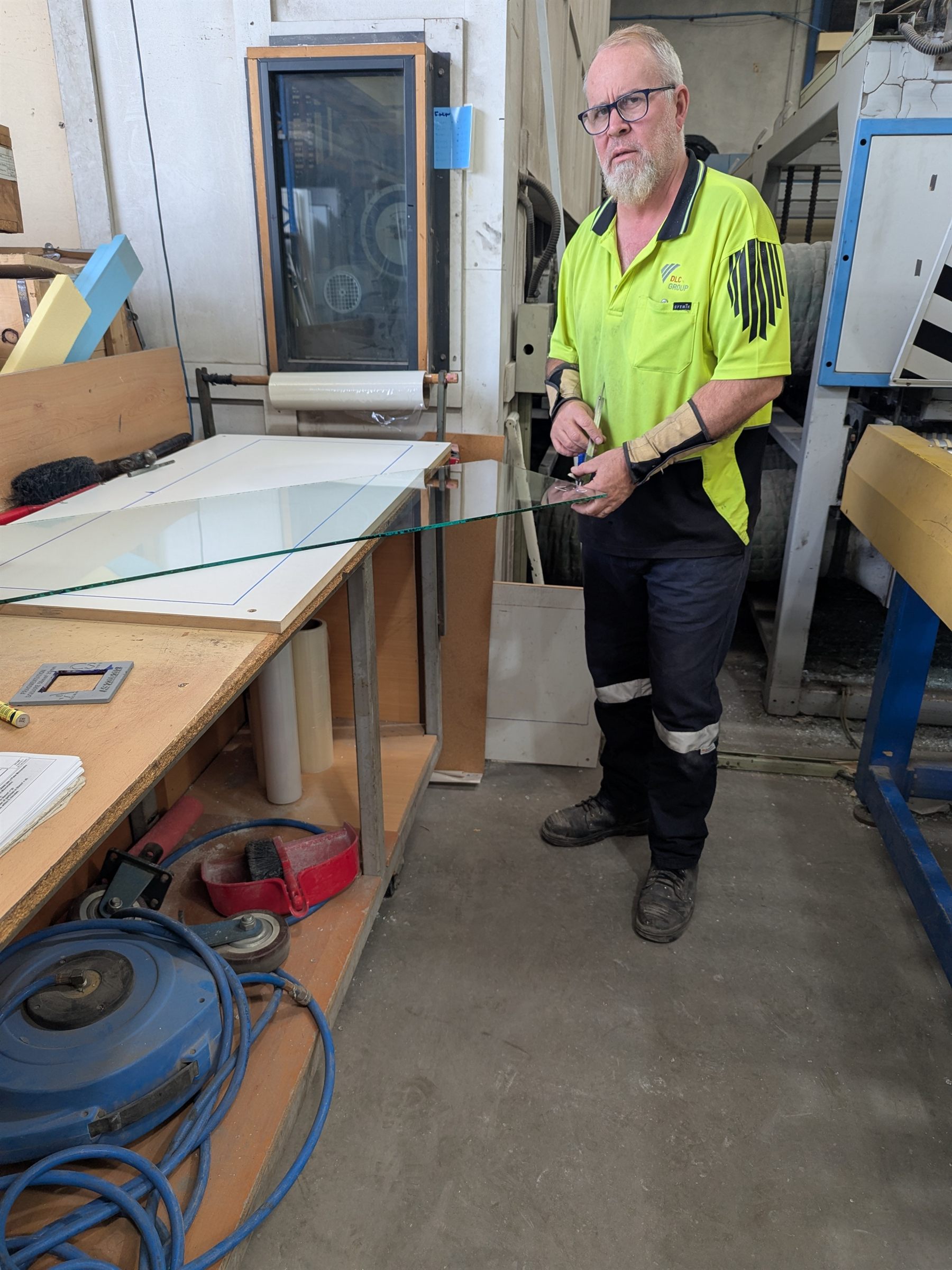
The on-site audit examines the manufacturing arrangements required by the scheme, including:
Required corrective actions must be addressed before a positive certification decision can be made.
Know what stands behind the mark
The current Certificate of Conformance and associated Product Compliance Schedule/s must be read together.
They explain what is certified, against which requirements and under what conditions. A logo alone does not establish that a particular model or use is covered.
Verify certification ↗Search using the CSi licence number. If you cannot find the record, contact CSi with the licence number and/or company name.
Products made here. Products made overseas.
AUSTRALIA
A current certificate from a JASANZ-accredited product certification body can provide a recognised form of NCC evidence of suitability when relevant to the product and proposed building work.
The PAS-Mark certificate and Product Compliance Schedule/s must address the relevant product, requirements, performance and conditions. Responsible project parties must establish suitability for the intended use.
ABCB guidance on assessment methods ↗NEW ZEALAND
PAS-Mark certification and supporting technical evidence can help substantiate a product’s conformity with the requirements relied upon for its intended use.
PAS-Mark is not New Zealand CodeMark and does not require automatic acceptance. The building consent authority considers whether the complete evidence establishes reasonable grounds for compliance.
MBIE guidance on ways to comply ↗Certification is not approval of an entire building or every installation. PAS-Mark does not replace mandatory WaterMark certification where that scheme applies. Official guidance links open in a new tab.
A pathway shaped around your product
CSi accepts enquiries across a broad range of non-electrical products. The sectors shown are examples for review, not a blanket statement of accredited scope.
Application review confirms the certification requirements, accredited scope, evaluation needs and technical competence required. Where needed, suitably qualified auditors and technical experts may be engaged and authorised through CSi’s management system.
CSi retains responsibility for its certification process and decisions. Availability is confirmed after review.
Start with what you already know
Manufacturers, brand owners, importers and suppliers can enquire. Applicants need sufficient authority and control over the product and its manufacture to meet ongoing scheme requirements.
Not sure which standard applies? Send a brief product description so CSi can review the proposed pathway.
Your questions, answered
The proposal depends on the product range, applicable requirements, manufacturing locations, available evidence, additional testing and any corrective actions. Ask CSi to explain initial assessment, surveillance, changes and recertification costs. A completion date cannot be confirmed before the work is understood.
CSi reviews relevance, laboratory recognition, the standard and edition, the samples tested and whether the reports represent the proposed certified products. Reports do not automatically cover every model or configuration. Additional evidence or testing may be required.
Manufacturing location alone does not determine eligibility. The product, manufacturing controls, access for assessment and ongoing arrangements must meet the applicable requirements. Importers and brand owners need appropriate authority and cooperation from their manufacturers.
A proposed family is evaluated against the scheme’s requirements and the available evidence. Similar appearance or a shared brand is not enough to establish coverage. CSi confirms the assessed models, configurations and limitations in the certification documents.
Maintain the approved controls and records, complete required surveillance, use the mark only as authorised and meet renewal obligations. Surveillance activities and frequency follow the applicable certification programme. Notify CSi before changes that could affect conformity.
Contact CSi before implementing changes that could affect certification. Product design, components, materials, suppliers, manufacturing controls and sites may require further evaluation, testing or a certification decision. Coverage does not automatically extend to a changed product or site.
No. Read the certificate and Product Compliance Schedule/s against the requirements and intended use of the particular project. Applicable legislation, design, installation conditions and approval-authority requirements still apply.
Only following certification and authorisation, for products within the current certified scope, and in accordance with CSi’s mark-use requirements. Follow the controlled scheme documents and notify CSi if you are unsure about a proposed claim or marking.
Your next step
Tell us what you manufacture or supply, where it is made and where you intend to sell it.
CSi reviews your enquiry → A scheme specialist contacts you → Scope and evidence requirements are discussed → CSi provides the appropriate application material.